The Hormuz Hedge: Why US-Iran De-escalation is the Silent Fuel for India’s 2026 Growth
Summary Glossary
• The Doha Breakthrough: Indirect US-Iran talks in Doha have moved toward a "Strategic Pause," leading to the gradual reopening of the Strait of Hormuz.
• Energy Relief: Global oil prices have dropped to $68 (WTI) as of July 2, 2026, prompting New Delhi to lift domestic fuel sale restrictions.
• The Strategic Call: PM Modi’s telephonic conversation with Iranian President Pezeshkian reaffirms India’s focus on freedom of navigation and regional stability.
• Deductive Leap: For India, this isn't just about cheaper oil; it's about the security of the "Fertilizer-Fuel-Food" nexus that underpins the current economic revival.
The Strait of Stability: De-risking the Energy Spine
While the world watches the high-stakes optics of the upcoming NATO summit in Ankara, a more vital shift is happening in the quiet corridors of Doha. The indirect "positive progress" between the US and Iran is effectively a decompression valve for the global energy market. For India, which remains highly vulnerable to disruptions in the Strait of Hormuz, this de-escalation is the equivalent of an economic stimulus package. The drop in oil prices to $68 a barrel is a welcome relief, but the real story is the restoration of the "Maritime Transit Logic."
India’s economy in 2026 is an energy-hungry machine. Between the expansion of data centers for Sovereign AI and the manufacturing push under Semiconductor Mission 2.0, the cost of power is the ultimate ceiling on growth. By welcoming the Doha breakthrough and engaging directly with President Pezeshkian, New Delhi is signaling that its "Strategic Autonomy" is now anchored in "Energy Sovereignty." We aren't just buying oil; we are buying the stability required to keep the Indian industrial engine humming without the fear of a sudden supply-chain cardiac arrest.
The Deductive Leap: The Fertilizer-Food Nexus
The most telling deduction for the BharatLens desk lies in a sector often ignored by geopolitical analysts: Fertilizers. The Strait of Hormuz is as much a transit point for the precursors of Indian agriculture as it is for crude oil. Any closure in the Gulf doesn't just raise petrol prices; it threatens the food security of 1.4 billion people by choking the flow of natural gas required for urea production. The Doha de-escalation is, therefore, a "Food Security Hedge."
By securing a communication channel between Washington and Tehran, the global order is inadvertently shielding India’s agricultural revival. The lift of fuel restrictions in India yesterday wasn't just a political gift; it was a realization that the "Hormuz Risk" has temporarily receded. We are witnessing a moment where "Strategic Autonomy" means leveraging global de-escalation to build domestic resilience. India is using this window to replenish its strategic reserves and deepen its port-led development in Chabahar, ensuring that even if the Doha pause ends, the "Indian Corridor" remains viable.
The Sovereign Hedge: Beyond Transactional Diplomacy
This geopolitical shift also exposes the "Strategic Transactionalism" of the current US administration. As NATO reallocates resources toward the Indo-Pacific, India is realizing that the US umbrella is increasingly selective. The Doha talks are a reminder that India must maintain its own independent relationship with Tehran to secure its specific interests in the Indian Ocean. This is the "Multi-aligned Protocol" in action—where India champions the Global South’s energy needs while keeping a seat at the G7 table.
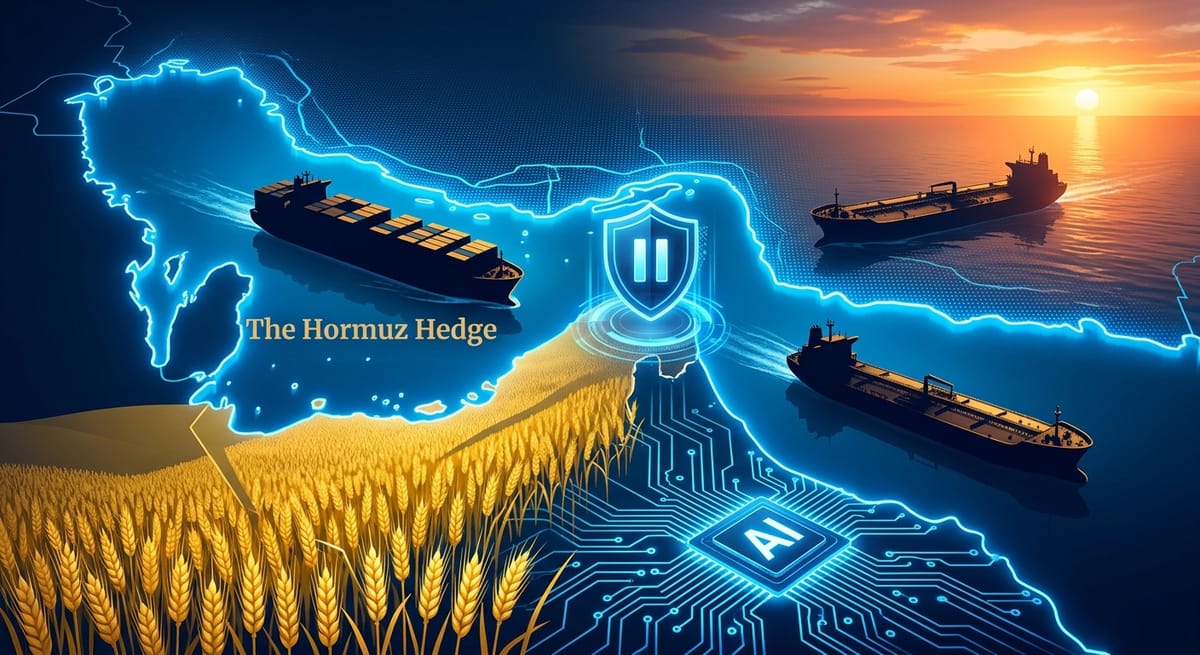
For the Indian reader, the message is clear: our growth is no longer a domestic isolated variable. It is tied to the physical integrity of a 34-mile-wide strip of water in the Middle East. The "Hormuz Hedge" being played out today ensures that while the giants negotiate, the Indian stack remains powered up. The de-escalation in Doha is the silent fuel for the Bharat of 2026, and New Delhi’s diplomatic dexterity ensures we are the primary beneficiaries of this temporary peace.
Sources
• MEA India: Official Report: PM Modi Speaks to President Pezeshkian on Regional Stability
• Nikkei Asia: US-Iran Doha Talks Signal "Positive Progress" on Regional De-escalation
• Reuters: Oil Market Update: Prices Fall to $68 as Hormuz Supply Concerns Recede
• The Hindu: India Lifts Petrol and Diesel Restrictions Amid Falling Global Crude Prices
Comments ()